
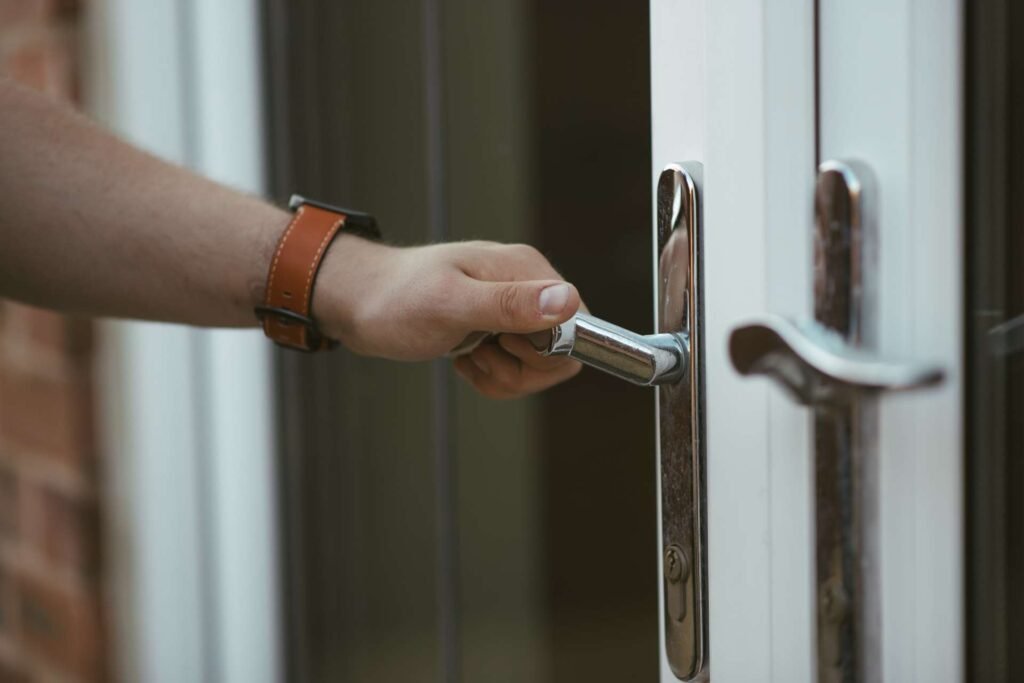
Knowing when to change a lock is an effective way to protect your home and your loved ones. Recognizingthe warning signs—such aswear and tear on the lock ordifficulty turning the key—can help you avoid a lot of hassle. Sécuripro Locksmiths 06, your locksmith in Cannes, provides information and advice on this important topic.
What are the first signs of wear and tear on a lock?
A secure home starts witha lock that’s in good working order. Over the years, several signs may appear, indicating that your lock may have reached the end of its useful life. Many people are unaware that even the slightest difficulty encountered during daily use can be a sign of a more serious problem. Taking the time to regularly checkthe overall condition of your lock isa wise move and provides peace of mind regarding the security of your home.
How can you identify visible wear and mechanical damage?
Scratchesorscuffs around the keyholeusuallycatchyour eye. This typeof visible wearandtear resultsfrom daily friction and eventually makesthe lock difficult to operate. It often takes only a quick look to notice if the plate is damaged or warped, even without technical expertise.
A jammed mechanism isalso a telling sign. A lock that’s supposed to operate smoothly may suddenly become stiff or even jam.Noisy operation—unusual clattering or squeaking—also indicatesinternal wear and tear onthe system.
Abnormalities in usage that indicate an imminent replacement
Difficulty turning the key isa telltale sign. If the key no longer fits all the way in or requires so much force that it risks breaking, it’s best to take action before the situation becomes critical. Some people even notice that they have to lift the door slightly to unlock it, which is a sign that the lock has shifted overtime.
Wear and tear on the lock canalsocauseexcessive play in the cylinder orcause it to become loose. This can result inbent or damaged keys. Given these recurring issues, it’s best to plan for a replacement rather than wait for the lock to fail completely.
Problems Indicating an Emergency
Lock forced open and signs of a break-in
Following an attempted break-in, animmediate replacementis necessary. The presence ofdeep scratches,bent metal, orloose mechanismsclearlyindicatesthat the lock has been forced open. If left as is, it will no longer guarantee reliable locking or the occupants’ peace of mind.
Aftera break-in, you should also check the door frame and the overall alignment of the door. Simple maintenance or adjustments will likely not be enough; onlya complete replacement willrestore the door to normal operation andensureoptimal security.
What should you do if a lock is rusty or seized?
A rusty lockgraduallylosesits structural and mechanical properties. Corrosion attacks the metal from the inside and weakens the internal parts, eventuallycausing the mechanism to jam. Replacing the entire system as soon as rust appears remains the most sensible solution to avoid any unpleasant surprises.
Occasional repair attempts (using penetrating oil or lubrication) rarely have a lasting effect on a heavily corroded part. Ifthe mechanism continuestomake noisedespite these efforts, it is a sign ofwear that is too advanced tobe ignored.
When does a lock no longer meet security standards?
In addition to visible or audible signs,the compliance of the hardware playsa key role in the decision to replace your current lock. With burglary methods constantly evolving, keepingan outdated oruncertifiedlocksignificantly increases the risk of break-ins.
Understanding why certain models become outdated allows you to plan for their replacement before experiencing a major issue related tohome security.
Criteria That Make a Lock Obsolete
Among the common reasons for replacement arefailure to meet current standards andthe mechanism’s age. Failure to meet the minimum requirements set for modern homes leaves them vulnerable to significant security breaches.Some older models areincompatible with new-generation keys and offer virtually no resistance to experienced burglars.
A professional inspection conductedat regular intervals or during a renovation can help identify these weaknesses before any unpleasant surprises arise.
Situations in Which Change Becomes Essential
Whether you’ve lost or had your keys stolen, or are moving into a new home: in these situations, it’s wise to replace them immediately. Since every entry point is a potential point of entry, ensuring thatyou are the sole holder of the keys helpsimprove the security of your home.
In addition, we should mentioncompliance with homeowners’ insurance requirements. These companies often require the use ofcertified locks toprovide full coverage in the event of an incident. Failing to meet this requirement could lead to complications when filing an insurance claim.
Carefully monitoring all of these criteria will help you ensure your safety and maintain the security of your main entry points, while reducing the risk of unpleasant surprises related tolocks and latches.

